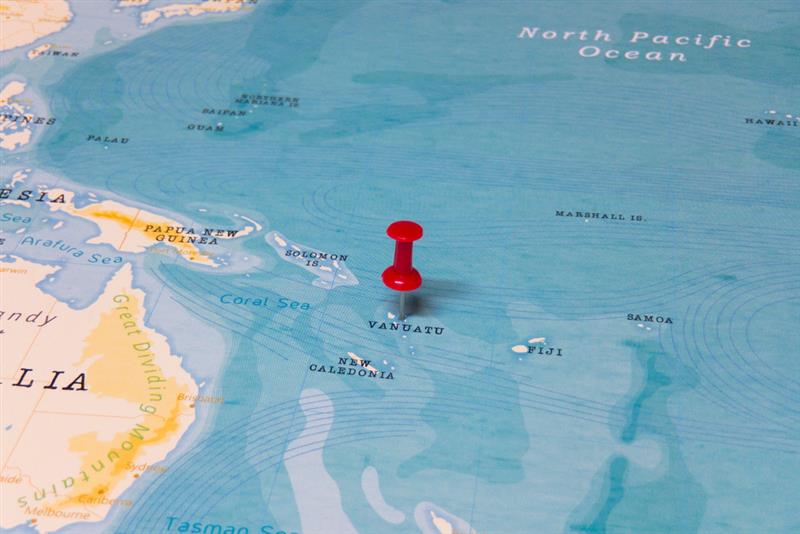

Choosing between Nauru and Vanuatu citizenship by investment programs requires careful consideration of your personal circumstances, financial goals, and mobility needs. Both Pacific island nations offer pathways to second citizenship, yet they differ significantly in terms of cost, processing time, visa-free travel access, and long-term benefits. This comprehensive comparison examines the key differences to help you determine which citizenship program aligns best with your objectives.
Investment Requirements and Financial Considerations
The financial commitment represents one of the most significant differences between these two citizenship programs. Nauru's citizenship by investment program typically requires a lower initial investment compared to Vanuatu, making it an attractive option for investors seeking a more budget-friendly pathway to second citizenship. The exact investment amounts vary based on family size and the specific program route selected.
Vanuatu's Development Support Program (DSP) has established itself as one of the fastest citizenship programs globally, with contributions starting at approximately $130,000 USD for a single applicant. Additional fees apply for family members, government processing, and due diligence checks. The total cost can increase substantially when including spouses, dependent children, and parents.
Nauru's program structure offers flexibility in investment options, though detailed financial requirements are typically disclosed during the application consultation process. Beyond the initial contribution, both programs require applicants to budget for:
- Due diligence fees — comprehensive background checks conducted by international firms
- Legal and advisory fees — professional assistance throughout the application process
- Document preparation costs — notarization, translation, and apostille services
- Travel expenses — potential visits for oath ceremonies or document submission
Processing Timeline and Application Efficiency
Time sensitivity often plays a crucial role in selecting a citizenship program. Vanuatu has built its reputation partly on speed, with applications typically processed within 2 to 3 months from submission to passport issuance. This rapid turnaround makes it particularly appealing for investors who need urgent travel document solutions or those facing time-sensitive business opportunities.
Nauru's processing timeline varies depending on application volume and the complexity of individual cases. While generally efficient, the program may take several months from initial application to final approval. The timeline includes multiple stages:
- Initial application submission and preliminary review
- Comprehensive due diligence investigation
- Government review and approval process
- Oath of allegiance and citizenship certificate issuance
- Passport application and delivery
Both programs have streamlined their processes in recent years, implementing digital submission systems and enhanced coordination between government departments and authorized agents. However, applicants should factor in additional time for document gathering, which can take weeks or months depending on the complexity of their financial and personal history.
Global Mobility and Visa-Free Travel Access
The practical value of any citizenship program largely depends on the travel freedom it provides. This represents one of the most significant distinctions between Nauru and Vanuatu passports. Vanuatu passport holders enjoy visa-free or visa-on-arrival access to approximately 130 countries and territories, including the United Kingdom, Schengen Area nations, Russia, and Singapore. This extensive travel access makes Vanuatu citizenship particularly valuable for international business professionals and frequent travelers.
Nauru's passport offers more limited global mobility, with visa-free access to fewer destinations. However, the program continues to work on expanding its bilateral agreements and improving travel access for its citizens. For investors whose primary travel needs focus on specific regions or who hold other passports that complement Nauru citizenship, this limitation may be less significant.
The true value of a second citizenship extends beyond visa-free travel — it encompasses tax planning opportunities, business expansion possibilities, and long-term security for your family.
Regional Travel Advantages
Both passports provide strong access within the Pacific region, facilitating business and leisure travel throughout Oceania. Vanuatu's membership in various international organizations has helped secure favorable visa arrangements with numerous countries. Nauru citizenship offers particular advantages for those focused on Pacific Rim business activities and regional investment opportunities.
Residency Obligations and Physical Presence Requirements
A major advantage of both programs is the absence of mandatory residency requirements before or after citizenship approval. Unlike traditional immigration pathways that demand years of physical presence, both Nauru and Vanuatu allow investors to obtain citizenship without relocating or spending extended periods in the country.
Vanuatu explicitly markets its program as requiring no residency, no interviews, and no language requirements. Applicants can complete the entire process remotely through authorized agents, though some choose to visit the islands for the citizenship ceremony. This flexibility appeals to busy professionals who cannot afford extended absences from their primary business operations.
Similarly, Nauru's program does not impose residency requirements, allowing investors to maintain their current lifestyle and business commitments while securing second citizenship. This feature makes both programs particularly attractive compared to traditional immigration routes that require substantial time commitments and lifestyle disruptions.
Long-Term Residency Rights
While neither program requires residency, both grant the right to live, work, and establish businesses in the respective countries. This provides valuable optionality for investors who may wish to relocate in the future due to political instability, economic changes, or personal preferences in their home countries.
Tax Implications and Financial Privacy Considerations
Tax planning represents a critical consideration when evaluating citizenship programs. Vanuatu operates as a tax haven with no personal income tax, wealth tax, capital gains tax, or inheritance tax for residents. However, citizenship alone does not automatically change your tax obligations — most countries tax based on residency, not citizenship. Investors must consult qualified tax advisors to understand how second citizenship affects their specific tax situation.
Nauru similarly offers favorable tax conditions, though the specific implications depend on whether you establish tax residency in the country. Both nations have limited tax information exchange agreements compared to many jurisdictions, though international pressure continues to increase transparency requirements globally.
Important tax considerations include:
- Citizenship-based taxation — understanding if your home country taxes worldwide income regardless of residence
- Residency establishment — requirements for becoming a tax resident in your new citizenship country
- Banking relationships — how second citizenship affects account opening and reporting obligations
- Business structure optimization — opportunities for international corporate arrangements
Financial Privacy Standards
Both jurisdictions maintain certain financial privacy protections, though global standards like the Common Reporting Standard (CRS) have increased information sharing between tax authorities worldwide. Investors seeking second citizenship for legitimate tax planning should work with international tax specialists to ensure compliance with all relevant regulations while optimizing their financial structure.
Making Your Decision: Which Program Suits Your Needs?
Selecting between Nauru and Vanuatu citizenship ultimately depends on your specific priorities and circumstances. Vanuatu offers superior visa-free travel access and faster processing, making it ideal for investors who prioritize global mobility and need citizenship quickly. The program's established reputation and extensive network of authorized agents provide additional confidence for many applicants.
Nauru citizenship may appeal to investors seeking a lower-cost alternative who have less demanding travel requirements or who hold complementary passports that address mobility needs. The program offers excellent value for those focused on Pacific region opportunities, asset protection, and establishing a second citizenship as part of a broader internationalization strategy.
Consider these factors when making your decision:
- Budget constraints — total investment capacity including all fees and expenses
- Timeline urgency — how quickly you need citizenship and passport in hand
- Travel patterns — which countries you visit most frequently for business and leisure
- Family composition — number of dependents and their specific needs
- Long-term goals — whether you might eventually relocate or establish businesses in the region
- Complementary passports — how second citizenship fits with your existing travel documents
Both programs offer legitimate pathways to second citizenship with distinct advantages. Rather than viewing one as universally superior, successful investors recognize that the "better" choice depends entirely on individual circumstances and objectives. Some investors even pursue citizenship in both countries over time as part of comprehensive internationalization planning.
If you're considering Nauru citizenship and want personalized guidance on whether it represents the right choice for your situation, our experienced team can provide detailed comparisons based on your specific needs and answer questions about the application process. Contact us today to schedule a confidential consultation and take the first step toward securing your second citizenship.